

Core Technologies & Processes
The IoT collection and storage system is already running at the Yi'an Project: waste generators can use smart terminals, electronic tags, and the online platform today for handover and collection traceability. The regeneration processes will come into use as the Zongyang Project (under construction, commissioning in 2027) and the Organic Solid Waste Resource Recovery Project are commissioned, and they determine the quality of the regenerated products.
Process Routes and Core Patents.
The regeneration processes cover four routes. Waste mineral oil is treated with the HyFine liquid-phase hydrogen-control treatment technology (hydrorefining that removes impurities and re-refines waste mineral oil into base oil), together with membrane purification pretreatment, distillation, and blending and packaging; spent activated carbon is regenerated with supercritical CO₂; steel drums / plastic containers are regenerated by category; and biomass is comprehensively utilized. Activated carbon and packaging container regeneration will be carried by the Zongyang Project (under construction, commissioning in 2027), and the waste mineral oil and biomass routes by the Organic Solid Waste Resource Recovery Project (preliminary work, construction starting in 2028), each reaching industrial scale once its project is commissioned.
Core technologies include the self-developed HyFine liquid-phase hydrogen-control treatment technology, a proprietary anti-coking agent system, and the supercritical CO₂ activated carbon regeneration process, with a portfolio of 32 intellectual property rights including 6 granted invention patents.
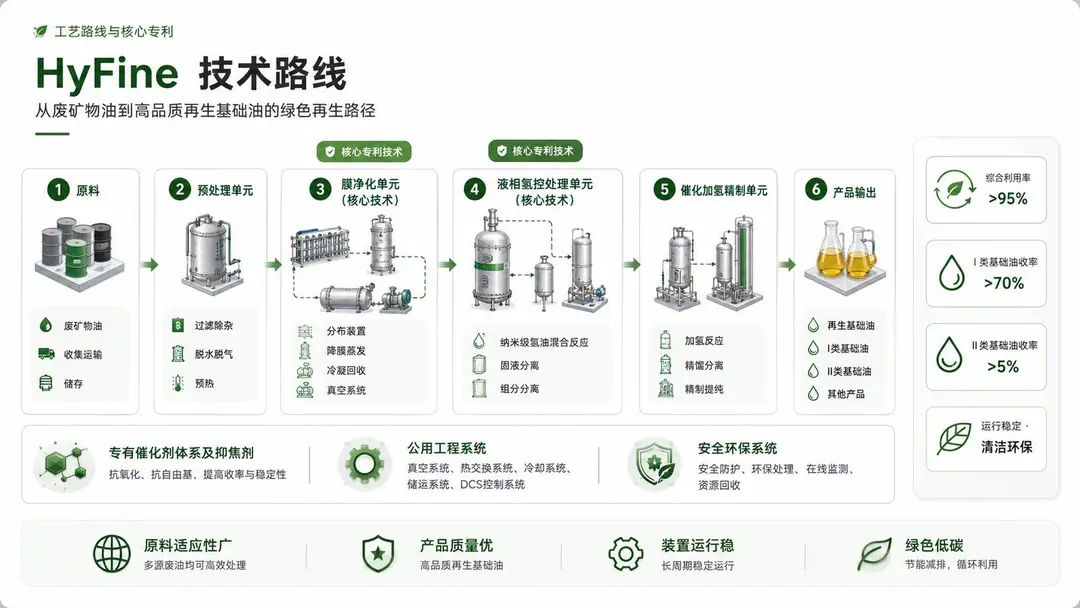
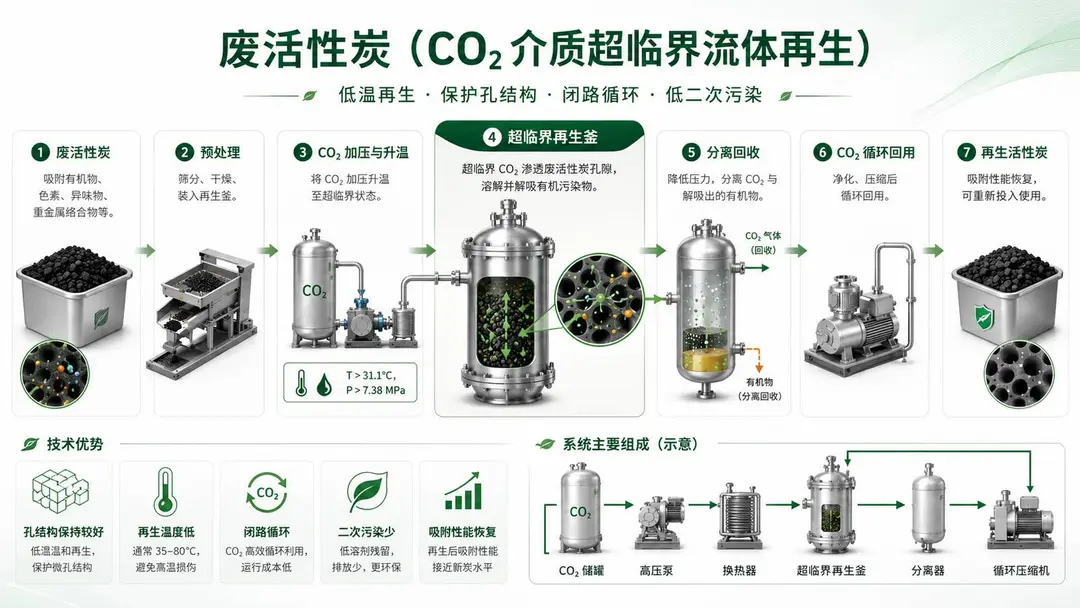
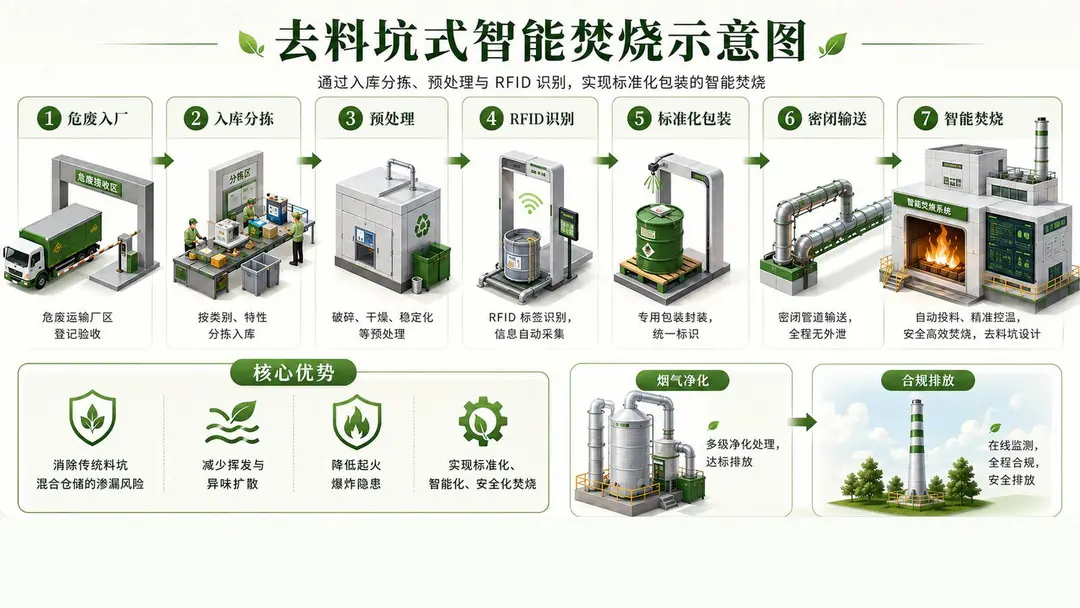
HyFine waste mineral oil comprehensive utilization route · Concept rendering · Illustrative data
Four System Layers: On-site Terminals, Electronic Tags, Data Platform, Management Platform.
The "IoT + Hazardous Waste" Intelligent Management Service Platform (IHWDS) is Molyfor's core business system: data from smart terminals, dual-frequency RFID, smart weighing, vehicle dispatch, electronic manifests, and compliant settlement is recorded with one set of codes and formats, so every handover, weighing, and settlement can be matched record by record.
Smart Terminal Hardware
Installed at waste generation sites to handle identification, weighing, and data capture; handovers follow standardized procedures.
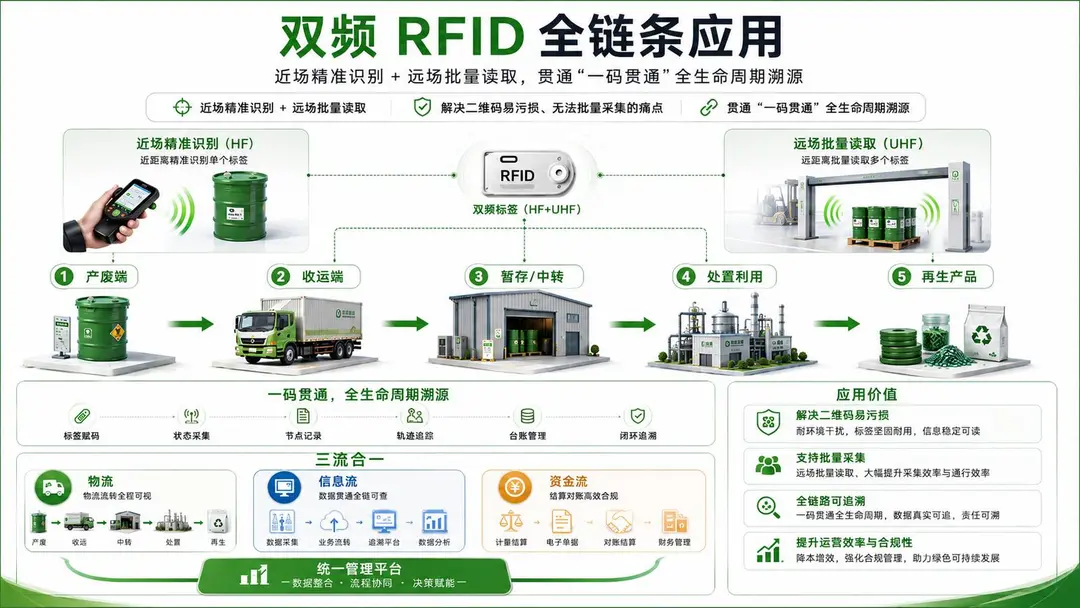
Dual-Frequency RFID Traceability
Dual-frequency RFID is added on top of the statutory hazardous waste label (which includes a QR code), enabling bulk reading even under oil fouling or occlusion; already in use in collection and transport at the Yi'an Project.
IoT Data Platform
Device data from waste generation, collection and transport, and storage converges into a unified platform as queryable operating records; device data from treatment and regeneration (connected after commissioning) will join it.
Intelligent Supervision Platform
Compliance checks, dispatch, risk early warning, electronic manifest information synchronization, and compliant settlement are integrated into a single interface; when purchasing end-of-life products from eligible natural-person sellers, reverse invoices are issued under State Taxation Administration Announcement No. 5 of 2024.
R&D Directions for the Future.
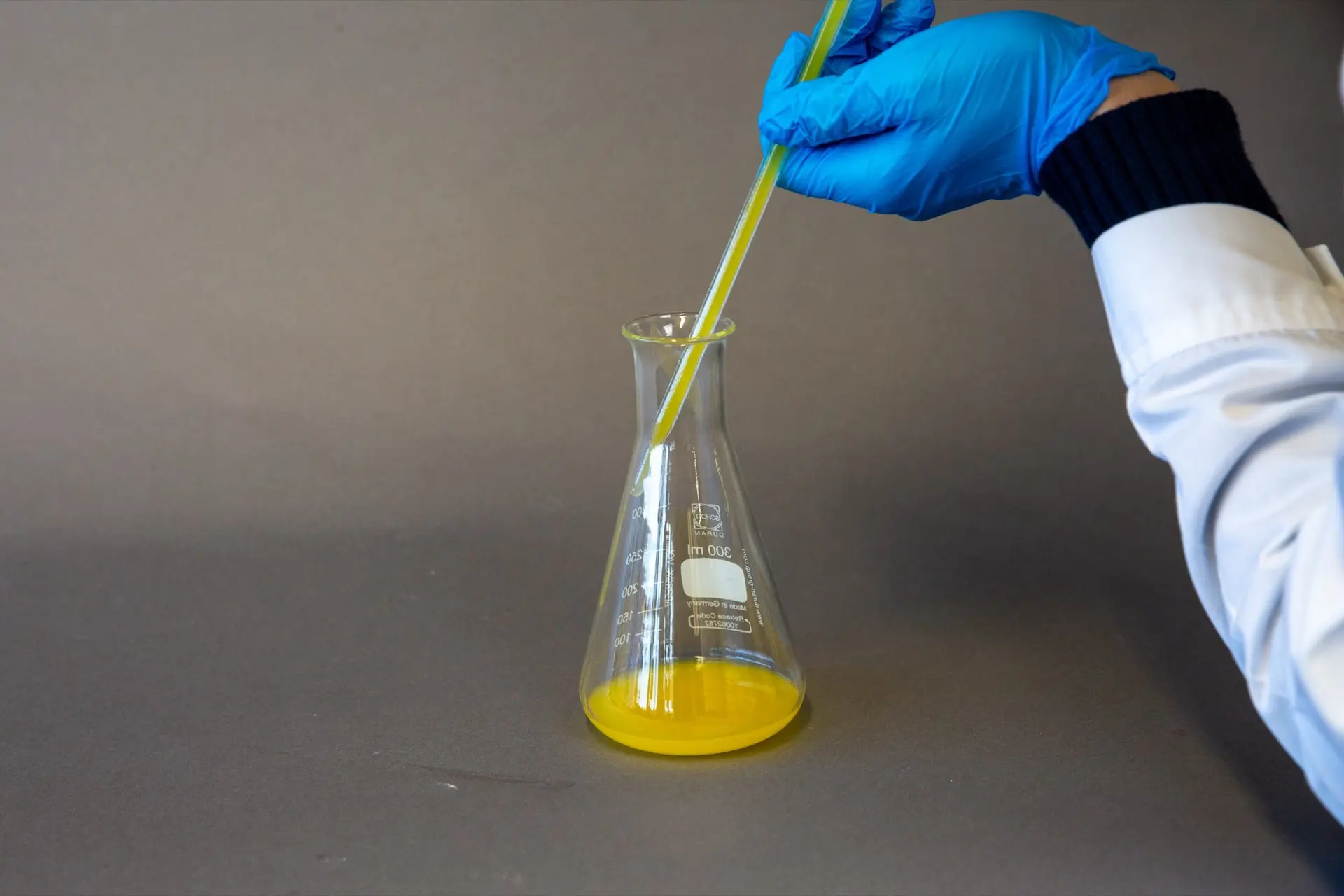
Beyond the regeneration process routes already developed, Molyfor pursues forward-looking research on the high-value utilization of biomass and hazardous waste, keeping laboratory research aligned with industrial needs.
In the comprehensive utilization of agricultural and forestry biomass, the company studies process upgrades from bio-based green products toward higher value-added pathways, lists sustainable aviation fuel (SAF) as a long-term research direction, and explores energy-storage materials made from waste biomass, such as porous carbon for supercapacitors.
In hazardous waste resource recovery, Molyfor studies the stabilization and regeneration of hard-to-treat solid waste such as incineration fly ash and spent activated carbon, and the application of regenerated materials in contaminated soil remediation and ecological restoration; this research is carried out in compliance with national standards and regulatory requirements, with pilot-scale validation to follow when conditions allow.
Quality and Safety, Driven by the Digital Twin.
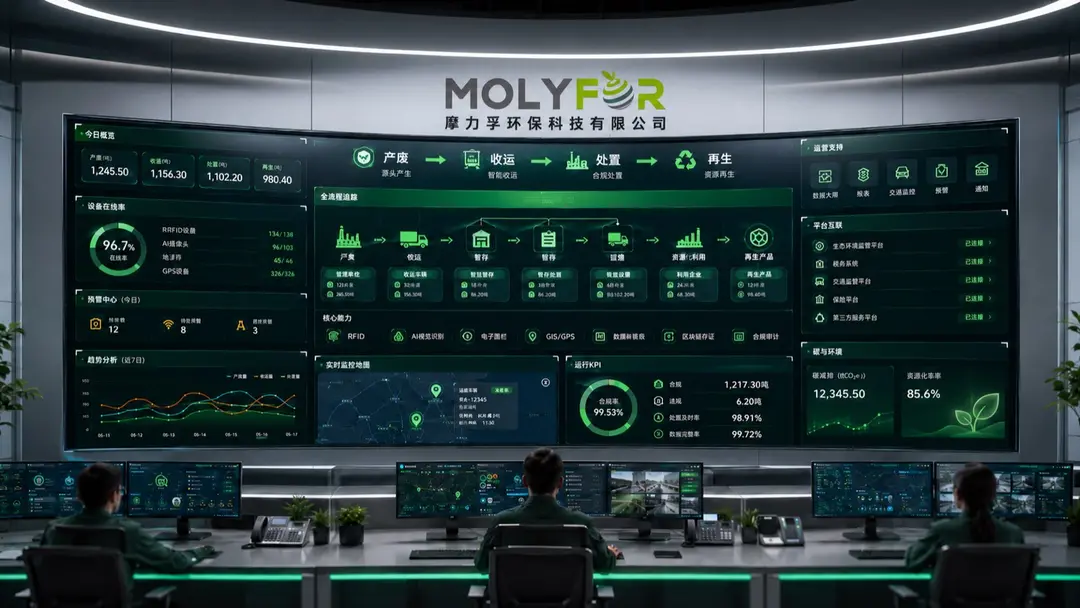
Molyfor organizes quality and safety management around a digital twin (data that mirrors the state of equipment and operations in real time): at the Yi'an Project, material flows and on-site operations are already mapped digitally, with IoT terminals, dual-frequency RFID, and the intelligent supervision platform keeping key states visible in the system; process units will be added once the Zongyang Project is commissioned.
On this basis, quality and safety are delivered through three coordinated layers of control: the intelligent supervision platform records event streams and anomalies, process-side interlocks, redundancy, and closed-loop verification shut critical actions down automatically whenever their conditions are not met, and on-site operations follow EHS (environment, health and safety) standards.
With the digital twin's real-time comparison and early warning, the system helps detect anomalies earlier and trigger interlocks, and together with redundant design shifts quality and safety management from after-the-fact inspection to prevention.