

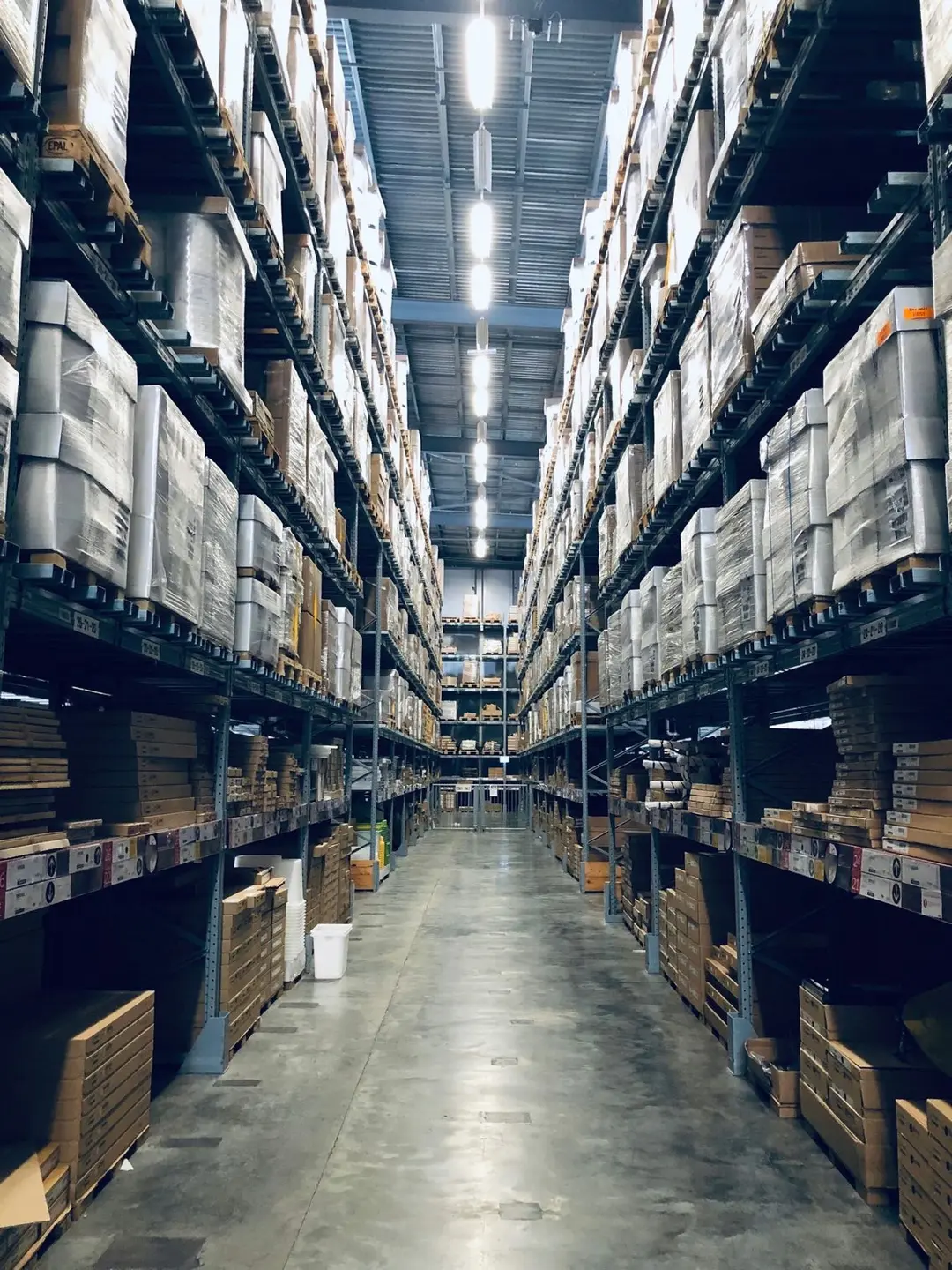
One-Stop Collection & Storage Service
With a single point of contact, waste-generating enterprises can arrange collection (including transport), storage, transfer for disposal, and manifest documentation: multiple waste types leave on the same truck, pickups follow an agreed schedule, and every step is kept on compliant record.
One Point of Contact, Less Effort and Lower Cost.
One Contact, Everything Collected
Multiple waste types within the license scope, including spent activated carbon and used packaging, leave on the same collection truck, with no need to contact several disposal providers separately.
Scheduled Pickups, No Full Truckload Needed
Runs are scheduled around your waste generation rhythm: order online and we arrive as agreed, so waste need not sit on site longer while a full truckload builds up.
Complete Records, Lower Risk
Licensed operation; electronic transfer manifest information is synchronized, weighing records and disposal certificates are returned for every order, your ledger is fully documented, and we follow up with regular service reviews.
Better Pricing
One-stop licensing lets multiple waste types share a single run and its transport cost; collection at scale lowers the cost of each trip further; and Molyfor relies mainly on downstream resource regeneration for revenue rather than on high disposal fees charged to waste generators.
Licensed for 26 Categories and 166 Sub-Categories.
Under the Law on the Prevention and Control of Environmental Pollution by Solid Waste (2020 revision), waste generators must prepare hazardous waste management plans, report truthfully, and verify the qualifications and technical capabilities of the parties they entrust; any entity collecting, storing, utilizing, or disposing of hazardous waste as a business must hold a permit. Choosing a licensed provider is the first step in meeting that statutory responsibility.
Molyfor's Yi'an Project (smart hazardous waste collection and storage center) holds a hazardous waste operation license covering 26 categories and 166 sub-categories, has served a cumulative total of over 6,000 waste-generating enterprises, and operates a service network spanning all 16 prefecture-level cities of Anhui Province; accepted waste types are subject to the scope stated in the operation license, and the list is available from Molyfor on request.
The service covers three streams: hazardous waste, general industrial solid waste, and agricultural and forestry biomass waste. At present, Molyfor collects and stores waste centrally and transfers it to licensed facilities for disposal; once the Zongyang Project (under construction, coming on stream in 2027) is in operation, its own incineration, physicochemical treatment, and regeneration units will provide coordinated disposal. Hazardous waste transfers run on electronic transfer manifests as required by the Measures for the Administration of Hazardous Waste Transfer.
Seven Standard Steps.
On-Site Collection
Crews arrive as agreed and verify category, quantity, packaging, and labeling on site.
Sorting & Packaging
Waste is sorted and packaged to standard by fine-grained type across the 26 categories and 166 sub-categories, ready for onward transfer and disposal.
Safe Transport
Our own fleet and compliant licensed carriers, with real-time dispatching and route monitoring, and full records kept throughout.
Compliant Storage
A dedicated hazardous waste storage facility plus separate areas for general solid waste and biomass, managed in zoned, segregated storage according to standards.
Transfer & Disposal
At present, waste is stored centrally and then transferred to licensed facilities for disposal; once the Zongyang Project (under construction, coming on stream in 2027) is in operation, its incineration, physicochemical treatment, and regeneration units will provide coordinated disposal.
Ledgers & Manifests
Operating ledgers are generated automatically, settlement data is synchronized with electronic transfer manifest information, and data is reported to the regulatory platform as required.
Emergency Response
Emergency plans are prepared, filed, and drilled regularly, with coordination with local emergency response.
Five Steps to Get Started.
Submit Waste Information
Share the waste type, physical form, monthly volume, and location by phone or email.
Site Survey & Service Plan
We confirm waste categories and packaging conditions on site and propose a pickup frequency, packaging, and pricing plan.
Sign the Contract
Agree on waste types, measurement, and settlement terms; the waste generator files its hazardous waste management plan as required.
Scheduled Collection
Pickups and weigh-in follow the agreed schedule, with electronic transfer manifest information synchronized and records kept throughout.
Settlement & Disposal Certificates
Settlement follows contract measurements with complete invoices, and disposal certificates are returned for your records.