

Services by Client Profile
Find the service and products that match your role: waste generators, parks and government, regenerated product buyers, and projects and partners.
Waste Generators
Waste generators in chemicals, machining, petrochemicals, pharmaceutical manufacturing, electronics and other industries can hand hazardous waste, general industrial solid waste and agricultural and forestry biomass waste to Molyfor’s one-stop collection and storage service: a single point of contact, pickups as agreed, and complete records. The Law on the Prevention and Control of Environmental Pollution by Solid Waste (2020 revision) requires waste generators to verify the qualifications and technical capabilities of the parties they entrust, and Molyfor operates under a Hazardous Waste Operation License.
Four common needs of waste generators — licensed compliance, reconcilable measurement, complete records and on-site pickup — addressed one by one below.
Four Common Needs of Waste Generators.
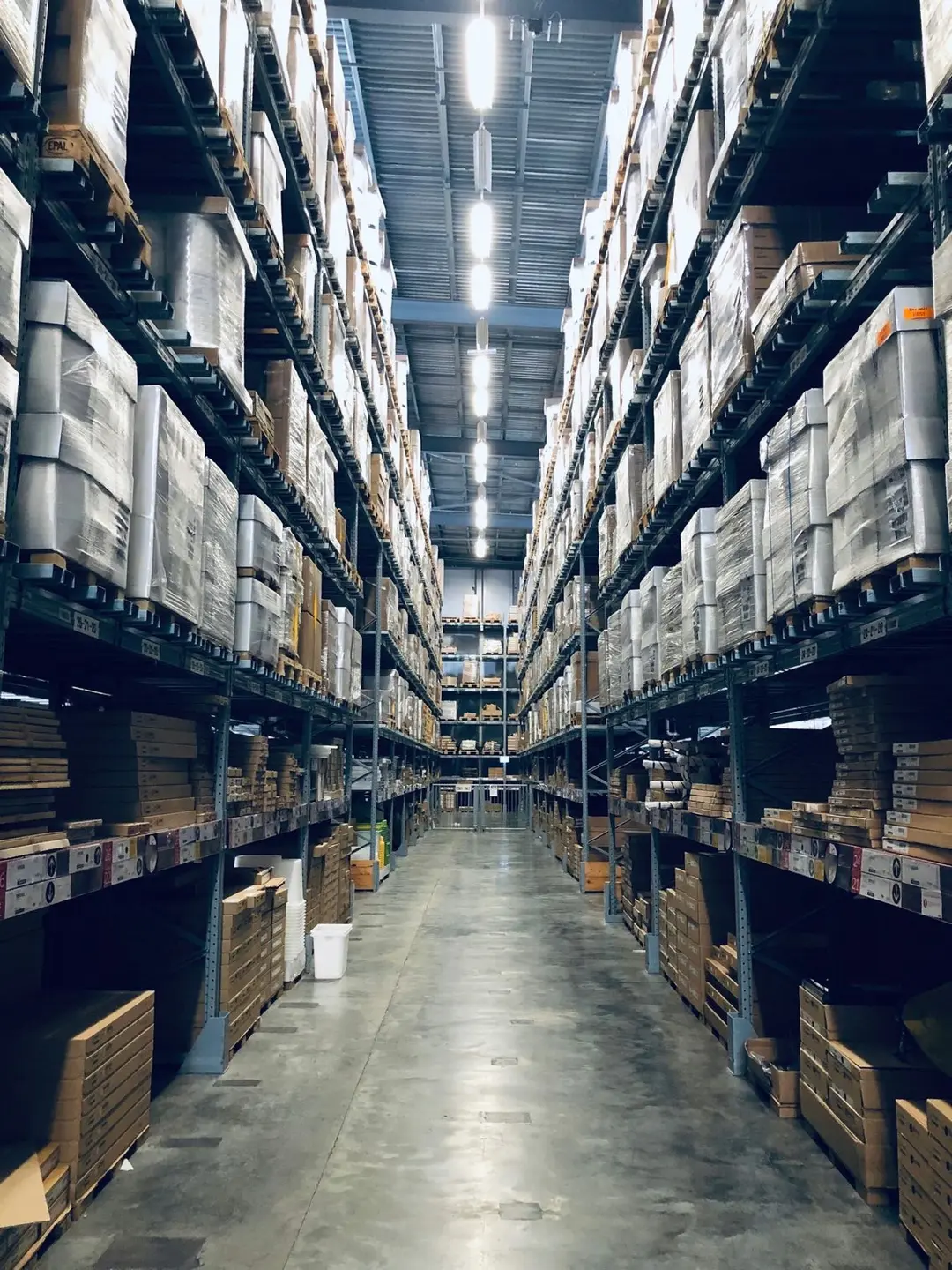
Licensed Compliance
Before entrusting waste, generators must verify the provider’s qualifications. Molyfor’s Yi’an Project holds a hazardous waste operation license covering 26 categories and 166 sub-categories; accepted waste types are subject to the scope stated in the license, and the list is available on request.
Reconcilable Measurement, Better Pricing
Smart weighing records the weight of each drum and the IHWDS platform records its destination, so measurement follows the contract and every transaction can be reconciled. Pricing is better because one-stop licensing lets multiple waste types share a single run and its transport cost, collection at scale lowers the cost of each trip, and Molyfor relies mainly on downstream resource regeneration for revenue rather than on high disposal fees charged to waste generators.
Complete Records, Compliant Settlement
Electronic transfer manifest information, weighing records and disposal certificates are returned for every order, ready for your ledgers and inspections; business clients settle under contract with complete invoices. When purchasing end-of-life products from eligible individual sellers, Molyfor issues reverse invoices under STA Announcement No. 5 of 2024.
On-site Collection Service
Pickups are scheduled around your waste generation rhythm and arrive as agreed, with no need to wait for a full truckload; our own fleet and compliant licensed carriers serve a network covering all 16 prefecture-level cities of Anhui.
Parks / Government
For industrial parks and local governments, Molyfor provides collection and storage services and data connection support for the waste generators in a park: licensed, lawful operation; economic benefits from services located close to where waste arises; and fewer long-distance hazardous waste transfers, in support of "Zero-Waste City" development and the dual-carbon goals.
Centralized Park Collection — Compliance and Benefits Together.
Centralized Park Collection and Storage
Licensed, settlement-ready centralized collection and storage for the many waste generators within a park, with small and micro enterprises fully covered; platform-based compliance risk alerts and coordination with local emergency response.
Compliance and Legality
Licensed operation; operating ledgers keep a full record, electronic transfer manifest information is synchronized, and data connects directly to the regulatory platform, shifting park oversight from on-foot inspection to information-based supervision.
Economic Benefits
Collection services located close to where waste arises bring tax revenue and jobs, support upstream and downstream businesses, and lower the park’s solid waste management costs.
Social and Environmental Benefits
Support for "Zero-Waste City" development and the dual-carbon goals; nearby centralized collection reduces long-distance hazardous waste transfers; resource-recovery rates, carbon intensity and other data are provided on agreed terms.
Regenerated Product Buyers
For lubricant and base oil distributors, water treatment companies, air purification equipment manufacturers and other buyers: re-refined base oil, regenerated activated carbon, reconditioned packaging containers and bio-based products come with verifiable quality and traceable sources, and choosing regenerated products helps lower the upstream carbon footprint of your products and meet green procurement requirements. Supply will begin step by step once the Zongyang Project (under construction, coming on stream in 2027) and the Organic Solid Waste Resource Recovery Project (preliminary work underway, breaking ground in 2028) are in operation.
Four Categories of Green Products.
Re-refined Base Oil and Lubricants
Group III and synthetic base oils and lubricants for lubricant blending, with fuel oil components also produced; from the Organic Solid Waste Resource Recovery Project, supplied once it comes on stream.
Regenerated Activated Carbon
For water treatment, air purification and industrial adsorption; produced with Molyfor’s independently developed supercritical CO₂ regeneration process, designed for high iodine value and a high regeneration rate. Supplied once the Zongyang Project (under construction, coming on stream in 2027) is in operation.
Reconditioned Packaging Containers
Hazardous waste steel drums, plastic drums and plastic bags reconditioned by type and supplied after passing inspection; supplied once the Zongyang Project (under construction, coming on stream in 2027) is in operation.
Bio-based Products
Bio-based green products from the comprehensive utilization of agricultural and forestry waste; supplied once the Organic Solid Waste Resource Recovery Project comes on stream.
Projects / Partners
For technology and equipment providers, platform integrators, joint project developers and research institutions, Molyfor pursues technology cooperation, equipment integration, platform interconnection and joint research. This cooperation builds on existing industrial and technical experience: the Yi’an Project in operation, the Zongyang Project under construction and coming on stream in 2027, and the Organic Solid Waste Resource Recovery Project in preliminary work and breaking ground in 2028; 32 intellectual property assets; the operational "IoT + Hazardous Waste" Intelligent Management Service Platform (IHWDS); and research cooperation with a range of institutions.
Four Typical Forms of Cooperation.

Technology and Equipment Cooperation
Technology and equipment cooperation in catalysts, reactors, intelligent equipment, RFID modules, IoT platforms and related areas.
Platform Integration
Data connection between the IHWDS platform and third-party platforms (smart park management platforms and industry platforms).
Joint Projects
Co-developing resource recovery projects with local state-owned enterprises and park operators.
Research Cooperation
Research with universities, research institutes and industry associations on regeneration processes and standards development.